


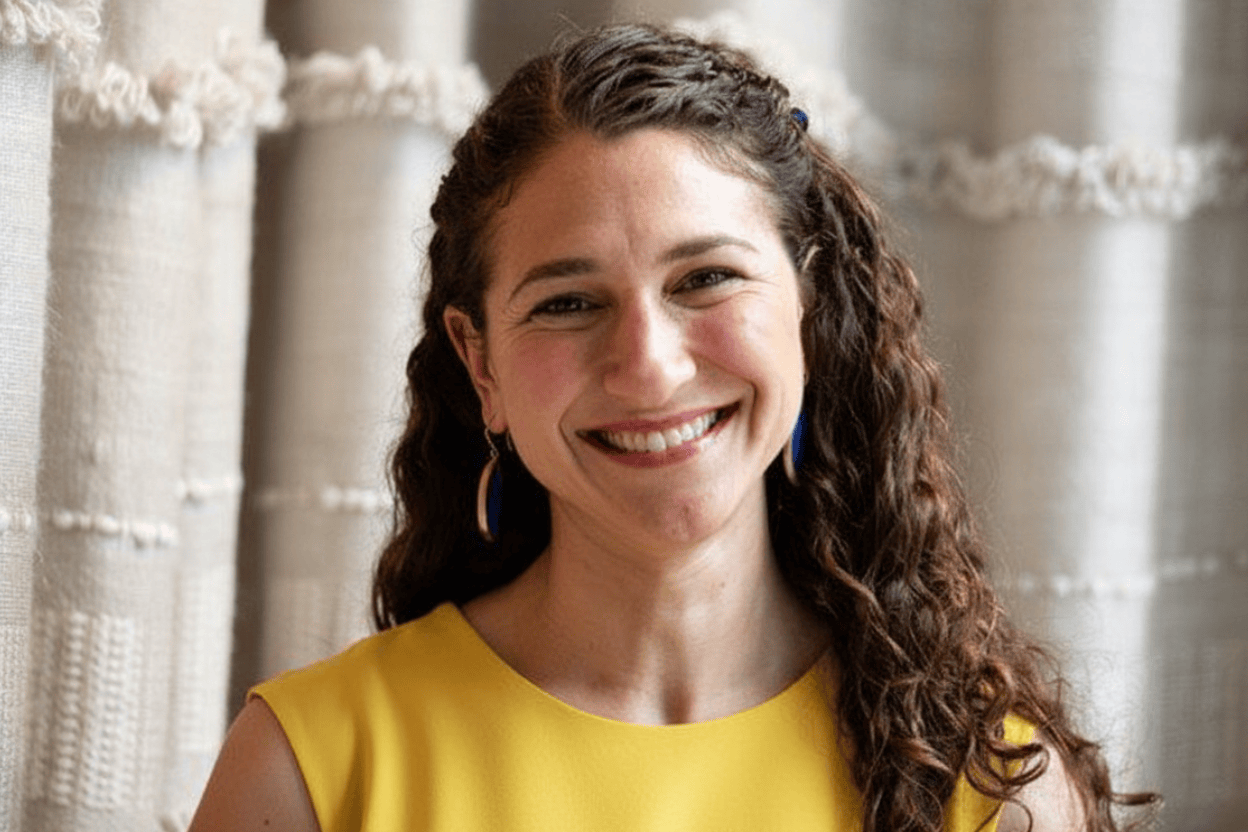
Who is Shoshana Clark?
Shoshana Clark is a notable figure whose contributions span various fields, reflecting her diverse background and multifaceted interests. Born into a family that encouraged intellectual curiosity, Clark developed an early passion for learning and exploration, which would later define her career. Her formative years were spent in an environment rich with cultural and academic influences, fostering her keen analytical skills.
shoshana clark pursued higher education at prestigious institutions, where she focused on subjects that intrigued her, particularly those that intersected with social sciences and humanities. Her academic journey laid the groundwork for her comprehensive understanding of complex societal issues, which she later addressed in her professional life. Throughout her education, Clark was not only an eager student but also an active participant in various initiatives aimed at fostering dialogue around critical topics, showcasing her commitment to community engagement.
In her career, Shoshana Clark has been involved in various roles that have allowed her to leverage her skills and knowledge in meaningful ways. She has worked with organizations dedicated to research and development, focusing on projects that aim to bridge gaps in understanding among diverse populations. Her professional trajectory is marked by a dedication to making a positive impact and bringing insights from her academic background to real-world challenges.
Clark’s interests extend beyond her professional work; she is an avid advocate for education and empowerment, believing that informed individuals are essential for societal progress. Her experiences and the perspectives she has cultivated throughout her life play a crucial role in shaping her contributions to her field. Overall, Shoshana Clark embodies a blend of intellect and practical engagement, making her a significant figure worthy of exploration.
Notable Achievements and Contributions
Shoshana Clark has made significant strides in her field, garnering recognition for her innovative contributions and impactful projects. One of her most notable works includes the development of a groundbreaking software tool that enhances operational efficiency for businesses within the technology sector. This tool has not only streamlined workflows but has also contributed to overall cost reduction for its users, illustrating her commitment to practical problem-solving.
In addition to her software development initiatives, Shoshana Clark has published various research papers that have been instrumental in advancing understanding within her industry. Her publication on data analytics in business strategy, for instance, has been cited in numerous academic and professional settings, reflecting her status as a thought leader. This particular work emphasized the importance of data-driven decision-making, influencing organizations to adopt more analytical approaches.
Moreover, Shoshana has received several accolades in recognition of her contributions to both her field and the wider community. She was awarded the ‘Innovative Leader of the Year’ by the National Association for Business Professionals, a testament to her influence and dedication. Additionally, her involvement in community outreach programs demonstrates her belief in giving back to society, particularly in mentoring young professionals in the tech industry.
Through these achievements, Shoshana Clark has not only elevated her professional status but also made a lasting impact on her field. The combination of her practical innovations, influential publications, and community service illustrates a multifaceted approach to her work. These aspects showcase her as a prominent figure whose efforts continue to resonate throughout her industry, inspiring future generations of professionals.
Shoshana Clark’s Philosophy and Approach
Shoshana Clark is recognized for her distinctive approach, which combines a deep commitment to social justice with a pragmatic understanding of contemporary issues. At the core of her philosophy is the belief that effective solutions often emerge from collaborative efforts that draw on diverse perspectives. This commitment to inclusivity is evident in her projects, which frequently involve partnerships with community members, stakeholders, and other organizations. Clark emphasizes that by working together, the most innovative and effective strategies can be developed, fostering an environment of cooperation rather than competition.
In her interviews, Shoshana Clark often articulates her vision of leadership as one that prioritizes empathy and understanding. She argues that leaders must be attuned to the needs and concerns of those they serve, which aligns with her advocacy for marginalized communities. According to Clark, the ability to listen is as critical as the ability to speak; thus, she cultivates a culture of open dialogue in her initiatives. This philosophy not only guides her actions but also influences how she measures success—by the impact her work has on individuals and communities rather than purely by traditional metrics.
Clark’s methodologies reflect her philosophical tenets. She employs research-driven strategies, drawing from both quantitative and qualitative data to inform her decisions. This analytical approach complements her belief in evidence-based practices, setting a foundation for effective interventions that are rooted in reality. Furthermore, Shoshana Clark advocates for ongoing evaluation and adaptation of projects, ensuring that they remain responsive to changing community needs. By maintaining this flexible stance, she demonstrates a commitment to continuous improvement, an essential aspect of her operational ethos.
Future Directions and Enduring Legacy
As we look towards the future, the enduring legacy of Shoshana Clark continues to resonate within her field. Her work has not only contributed significantly to ongoing debates but has also paved the way for emerging scholars and practitioners to explore new dimensions of the subject. It is expected that upcoming projects will delve deeper into the themes she has championed, particularly those centered around social justice and environmental sustainability.
One potential direction for Shoshana Clark’s future endeavors may involve increased collaboration with interdisciplinary teams, involving a mix of technologists and social scientists. This could lead to the development of innovative frameworks that address the complexities of modern societal challenges. The integration of technology in her work is not only timely but also essential, given the rapid advancements in artificial intelligence and data analytics that can enhance research methodologies.
Furthermore, her influence on the next generation of scholars is likely to be profound. Shoshana Clark’s commitment to mentorship and education has inspired many young academics to pursue research that challenges conventional wisdom and advocates for change. The principles she embodies—critical thinking, ethical inquiry, and a sensitivity toward diverse perspectives—serve as a guiding foundation for future leaders in her domain.
In addition to her scholarly contributions, it is anticipated that her outreach efforts will broaden. Engaging with communities and fostering dialogue around her ideas will ensure that her impact transcends academia, reaching those who can benefit from her insights. The lessons gleaned from Shoshana Clark’s work remind us of the importance of resilience, adaptability, and ethical responsibility in the face of societal challenges.
In conclusion, the future of Shoshana Clark’s work is imbued with possibilities. Her legacy, characterized by innovation, mentorship, and profound insights, will likely continue to inspire many while challenging emerging scholars to expand upon her remarkable contributions.
