


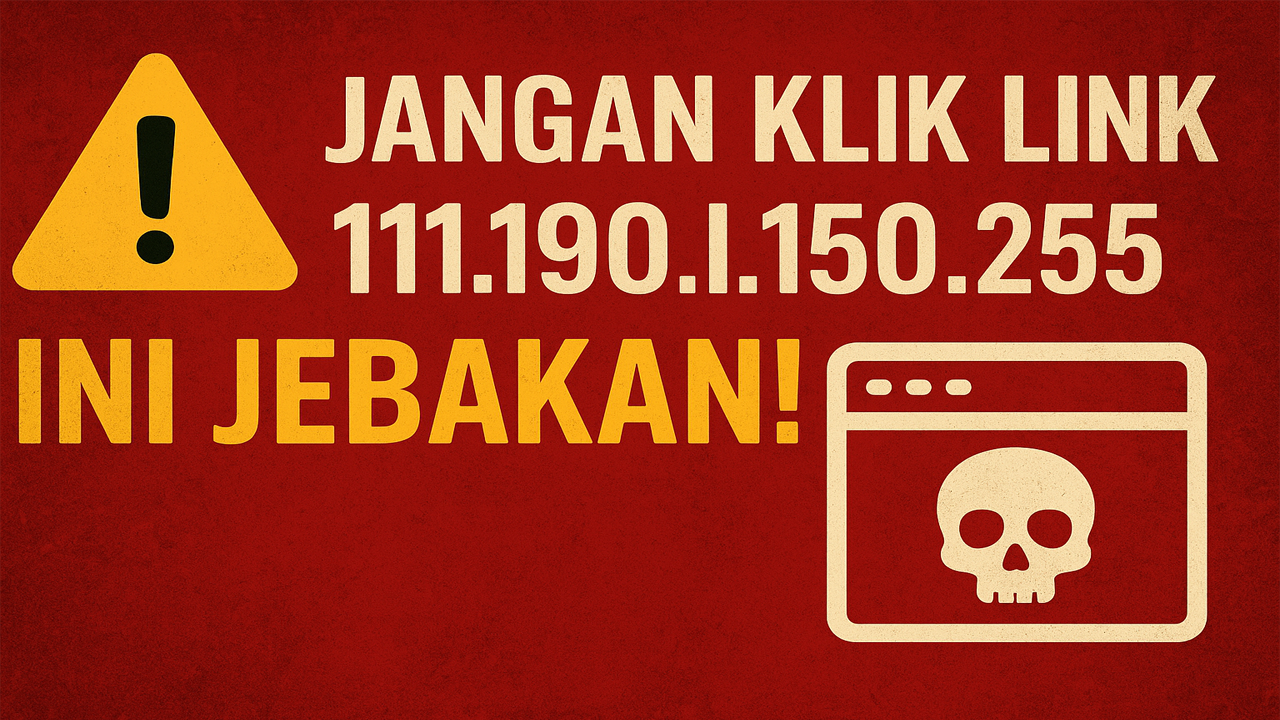
Understanding the Basics of 111.190 l.150.255
The term 111.190 l.150.255 is often regarded as a numerical identifier or code, which can be found in various fields, including technology, networking, and data classification. Its origin primarily derives from how numerical codes serve as crucial elements to identify specific entities, systems, or protocols, thereby facilitating effective communication across digital platforms. In computer networking, for example, IP addresses are critical for devices to communicate within interconnected systems, allowing for streamlined data transmission.
Each segment of the code typically 111.190 l.150.255 represents a particular category or classification which can denote, for instance, numerical limits, identification markers, or even regulatory frameworks. Understanding these numerical combinations is essential, as they frequently encapsulate significant information regarding the specifications or parameters of the elements they represent.
In the context of IP addresses, 111.190 l.150.255 can denote a specific range within an allocation that defines how various networks are configured and manage data flow. Each digit segment contributes to identifying a unique routing path in network communications. A deeper exploration into the usage and implications of 111.190 l.150.255 reveals insights into data management protocols, security settings, and performance metrics that govern the behavior of digital interactions.
Furthermore, its significance extends beyond mere identification as it embodies a broader context within global networking, touching on aspects such as cybersecurity and regulation compliance. The understanding of this term streamlines users’ ability to delineate technological standards and enhances awareness of operational practices that are influenced by, or revolve around, such numeric strings.
Applications of 111.190 l.150.255
The term 111.190 l.150.255 holds a significant place across various sectors including technology, business, and research. In the realm of technology, it can refer to specific protocols or standards that help in data transmission, ensuring secure communication and connectivity. These technical standards facilitate seamless interactions within networks and systems, which is essential in our increasingly digital world.
In the business sector, the concept of 111.190 l.150.255 may relate to metrics or identifiers that aid in performance evaluation and decision-making. Companies leverage these identifiers for tracking operational efficiencies, customer behavior, or market dynamics. Understanding and utilizing data in alignment with 111.190 l.150.255 can lead to improved strategic planning, enhancing overall productivity, and fostering competitive advantages. This systematic approach to analyzing metrics allows businesses to adapt to changing market conditions and optimize resource allocation efficiently.
Furthermore, in research, the implementation of 111.190 l.150.255 can represent a framework or methodology used to analyze results from various experiments or studies. For instance, it may be applied in clinical research to ensure data integrity and consistency across trials. Researchers utilize such terms to standardize data collection or to communicate findings accurately within the scientific community, thus contributing to broader knowledge dissemination.
In essence, 111.190 l.150.255 serves as a pivotal point of reference across these fields, reinforcing its value in enhancing communications, decision-making, and research methodologies. Organizations and researchers alike recognize the importance of this concept, as it transcends boundaries and fosters innovation across disciplines.
Challenges Associated with 111.190 l.150.255
The application and interpretation of 111.190 l.150.255 present several challenges that users must navigate to mitigate potential pitfalls. A frequent issue arises from misunderstandings surrounding this identifier. Many individuals may confuse the notation, leading to misapplications in various contexts. This confusion can stem from variations in the syntax or context in which 111.190 l.1.50.255 is utilized, potentially resulting in operational inefficiencies.
Another notable challenge is the limitation around information accessibility. Depending on the framework surrounding the use of 111.190 l.150.255, some users may find it difficult to obtain complete or clear guidelines for its appropriate application. This lack of clear documentation can lead to incorrect assumptions about its utility or scope. As users attempt to operationalize this information, they may inadvertently implement incorrect processes or strategies, further compounding the issue.
Moreover, technical barriers can also hinder the effective use of 111.190 l.150.255. For individuals or organizations lacking the necessary technical expertise, navigating the intricacies of this identifier can lead to significant errors or misinformation. This is particularly prevalent in environments where proper training on the application of 111.190 l.150.255 is insufficient or nonexistent.
Lastly, users may experience frustration arising from incompatibility issues with other systems or standards. When attempting to integrate 111.190 l.150.255, users might encounter discrepancies that prevent smooth transitions or coherent connections with established frameworks. Recognizing and addressing these challenges is crucial for maximizing the effectiveness of 111.190 l.150.255 and enhancing operational success.
Future Trends Related to 111.190 l.150.255
As we delve into the future trends surrounding 111.190 l.150.255, it is evident that this address will continue to be pivotal in transforming various sectors. The complexity and versatility of its application in technology, data management, and communication systems suggest that its usage will expand significantly in the coming years. Emerging technologies such as cloud computing and the Internet of Things (IoT) are likely to rely heavily on the robustness of 111.190 l.150.255.
In the realm of cybersecurity, the importance of this IP address may increase as more organizations adopt enhanced security protocols. The integration of advanced encryption measures and safeguarding techniques, linked to the framework of 111.190 l.150.255, will likely evolve to counteract the growing threats in the cyber domain. As industries become increasingly digitized, the need for reliable, secure IP addresses will be intrinsic to protecting sensitive data.
Moreover, the rising trend of global connectivity and the need for efficient data routing will maintain the relevance of 111.190 l.150.255. The implications for businesses are significant, as they require seamless network operations and effective communication across international borders. Thus, organizations will be driven to adapt to the advancements surrounding this IP address to remain competitive.
Furthermore, with the advent of artificial intelligence and machine learning, we can anticipate the analytics around 111.190 l.150.255 to become more sophisticated. These technologies will assist in optimizing the management of data flow and enhancing decision-making processes based on real-time analytics tied to this address.
In conclusion, the future of 111.190 l.150.255 appears promising, with numerous upcoming trends indicating its critical role in shaping the digital landscape. As we continue to witness these developments, understanding the implications of this address will be essential for stakeholders across various industries.
